









Turkey's trade minister, Bora Bolat, spoke at the opening of the İHKİB innovation and design centre in Istanbul, an event reported on 17 November 2026. The facility brings design, testing, research and development, training and digital transformation together in one building, according to the report, which said it is intended to help manufacturers move into higher-value products and connect with European technology and innovation networks.
Figures the minister gave at the opening put the export unit value at $1.73 per kilogram in the first three quarters of 2026, against $1.53 per kilogram in 2025. The same $1.73 figure was reported separately by the Anadolu Agency as Turkey's average export unit value. Apparel manufacturing capacity utilisation stood at 77.4% in September 2026, compared with 74.7% in September 2025.
The report read the combination as a structural signal rather than a boom: export volumes have moved little while unit value has climbed, which it attributed to a shift away from volume-led selling towards design and brand. Because output did not grow alongside utilisation, it argued that lower-priced orders are giving way to more valuable ones on the same production lines.
Supporting measures were also cited. Cumulative investment in Turkey's textile and apparel industry over the past 23 years has passed 1 trillion lira, the report said, and an employment retention subsidy for textile, apparel, leather, footwear and furniture companies has been raised to 3,500 lira per person. The report added that textile employment, after a period of decline, stopped falling in 2026.
On competitiveness, the article pointed to Turkey's customs union with the EU, which allows duty-free access, and road delivery times of three to five days to Western Europe as the base for quick-response orders. It said apparel exports rank eighth worldwide and in the top three in Europe, and that the pace of decline in apparel exports has narrowed, with volumes steady and prices rising.
It also noted a window for buyers: with capacity utilisation not yet at full stretch, scheduling room remains for quick-response and mid-to-high-end orders, though that slack would narrow as utilisation rises. The design centre and the subsidy were presented as two parts of one effort to keep capacity and skills in the sector while higher-value orders scale up.
Sources
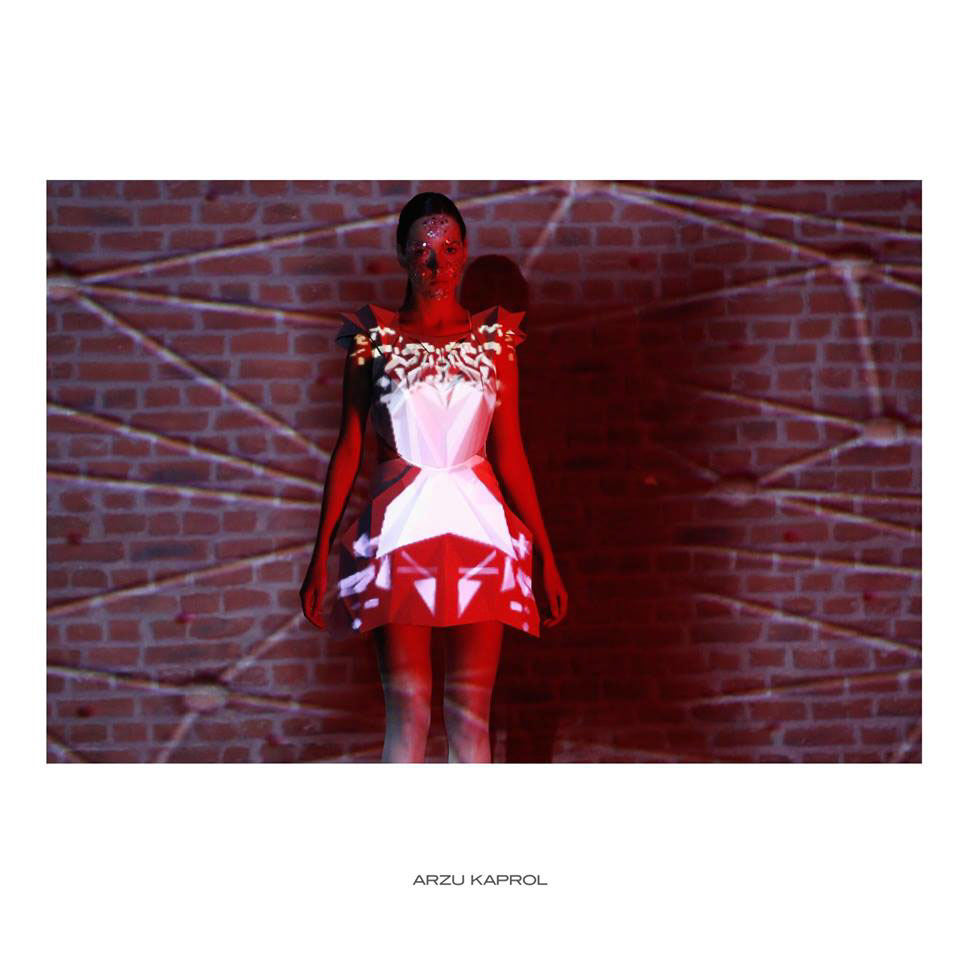
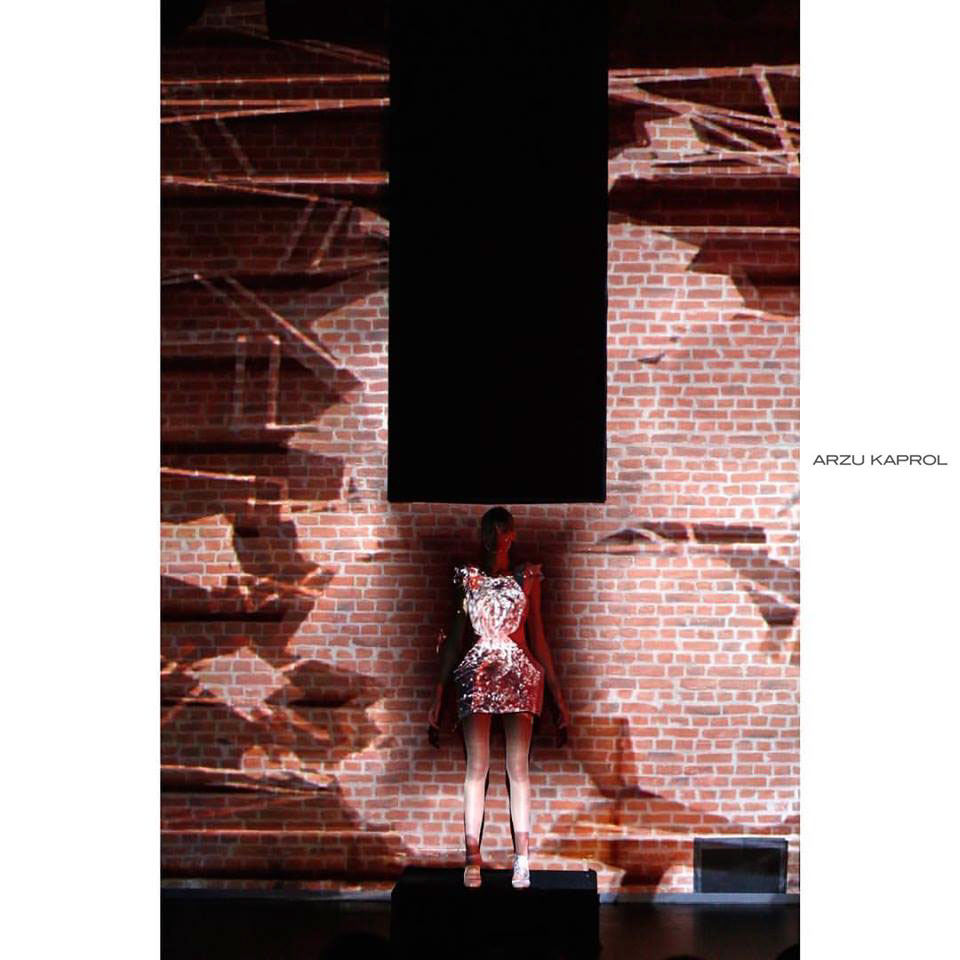
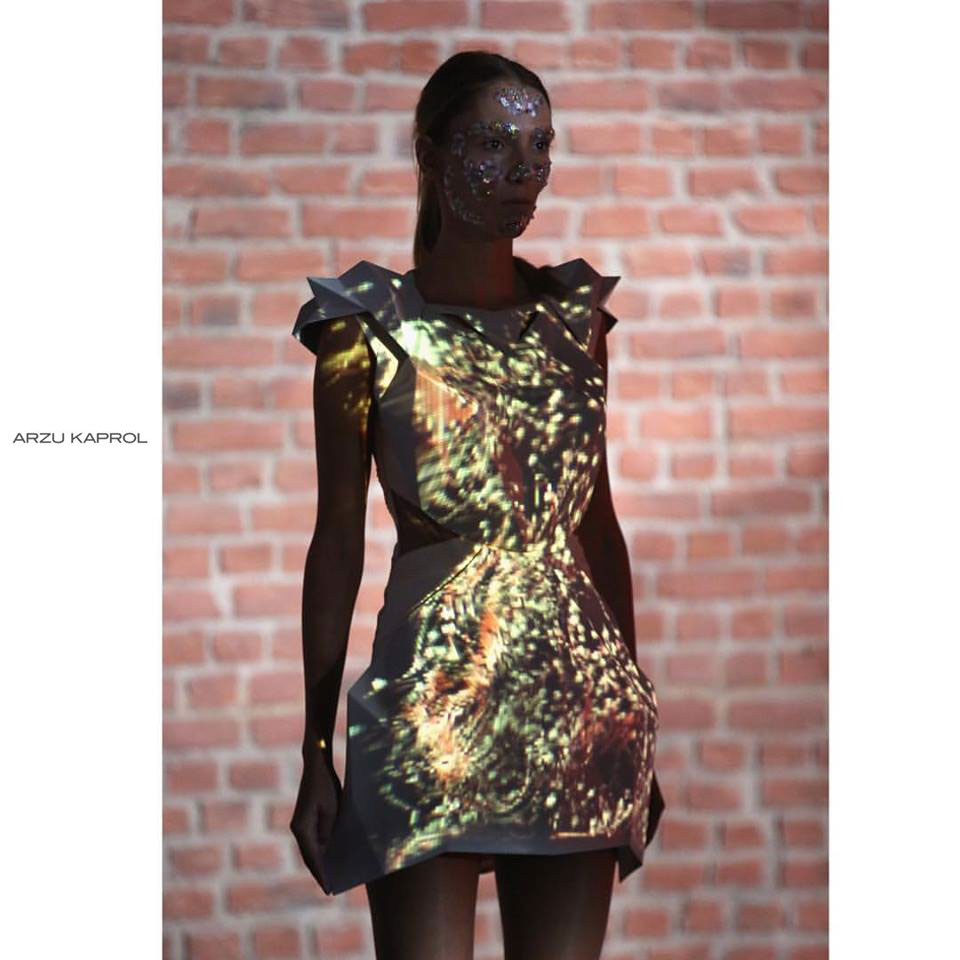
Photo: Arzu Kaprol collection by Arzu Kaprol, a member of the TurkishFashion.net directory. Courtesy of Arzu Kaprol (view the collection).